Something…I don’t know yet what…
The Ku Klux Klan first appeared in Arkansas in April 1868, just a month after African Americans voted in Arkansas elections for the first time
(https://encyclopediaofarkansas.net/entries/ku-klux-klan-2293/)
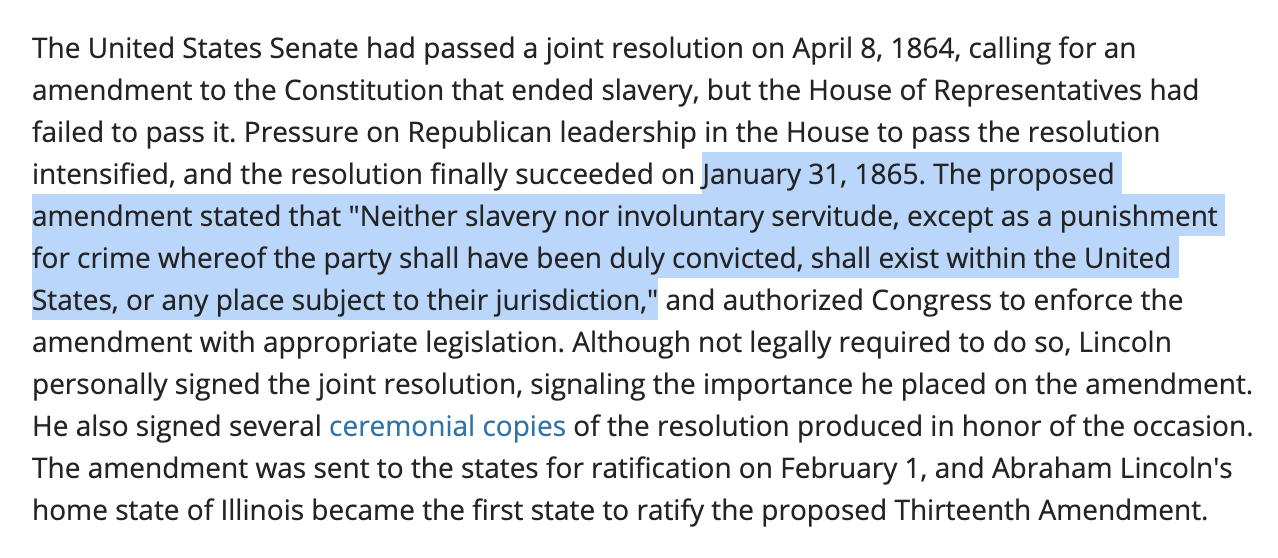
The Fourteenth Amendment (Amendment XIV) to the United States Constitution was adopted on July 9, 1868, as one of the Reconstruction Amendments.
(Wikipedia)
Klan members terrorized members of the Black community by whipping, beating, and intimidating them, by taking their guns, and by breaking up their religious gatherings. The Klan also attacked Freedmen’s Bureau agents, military officials, state legislators, and other white people associated with the Republican Party or the protection of African Americans. One of the most notable acts of violence occurred when U.S. Representative James Hinds was assassinated and state Representative Joseph Brooks was seriously wounded in Monroe County.
The KKK’s violence and intimidation reached their peak in the months leading to the November 1868 general election. The Klan used violence to try to disrupt voter registration and intimidate prospective Republican voters. In the three months before the election, the governor’s office received reports of more than 200 murders.
After the election, Republican Governor Powell Clayton acted aggressively to address the threat from the KKK. In his November 24 address to the General Assembly, Clayton said that the “reign of terror” being inaugurated threatened to “obliterate all the old landmarks of justice and freedom and to bear us onward to anarchy and destruction.” Clayton declared martial law in ten counties that he deemed to be in a “state of insurrection.” Over the summer, he had raised a militia of Union sympathizers and former slaves, giving Arkansas the most active Black militia movement of any Southern state. The militia quickly moved into the ten counties under martial law, as well as other troubled counties.
Over the next three months, the state witnessed major clashes between the militia and the Ku Klux Klan in places such as Woodruff, Conway, Craighead, Greene, Fulton, and Mississippi counties. The militia was successful as it fought, arrested, disarmed, and killed Klan members, and hundreds of remaining Klan members began fleeing to Tennessee and other surrounding states. Because of this quick success, by February 6, 1869 martial law was lifted in all counties except Crittenden, where it was lifted the first week in March.
Soon, order was restored throughout the state, and on March 13, 1869, the General Assembly passed a law that made the Ku Klux Klan illegal.
The city of Santo Domingo, in the current-day Dominican Republic, founded in 1496 by Columbus, is credited as the oldest continuously inhabited European-established settlement in the Americas.[7] (Wikipedia)
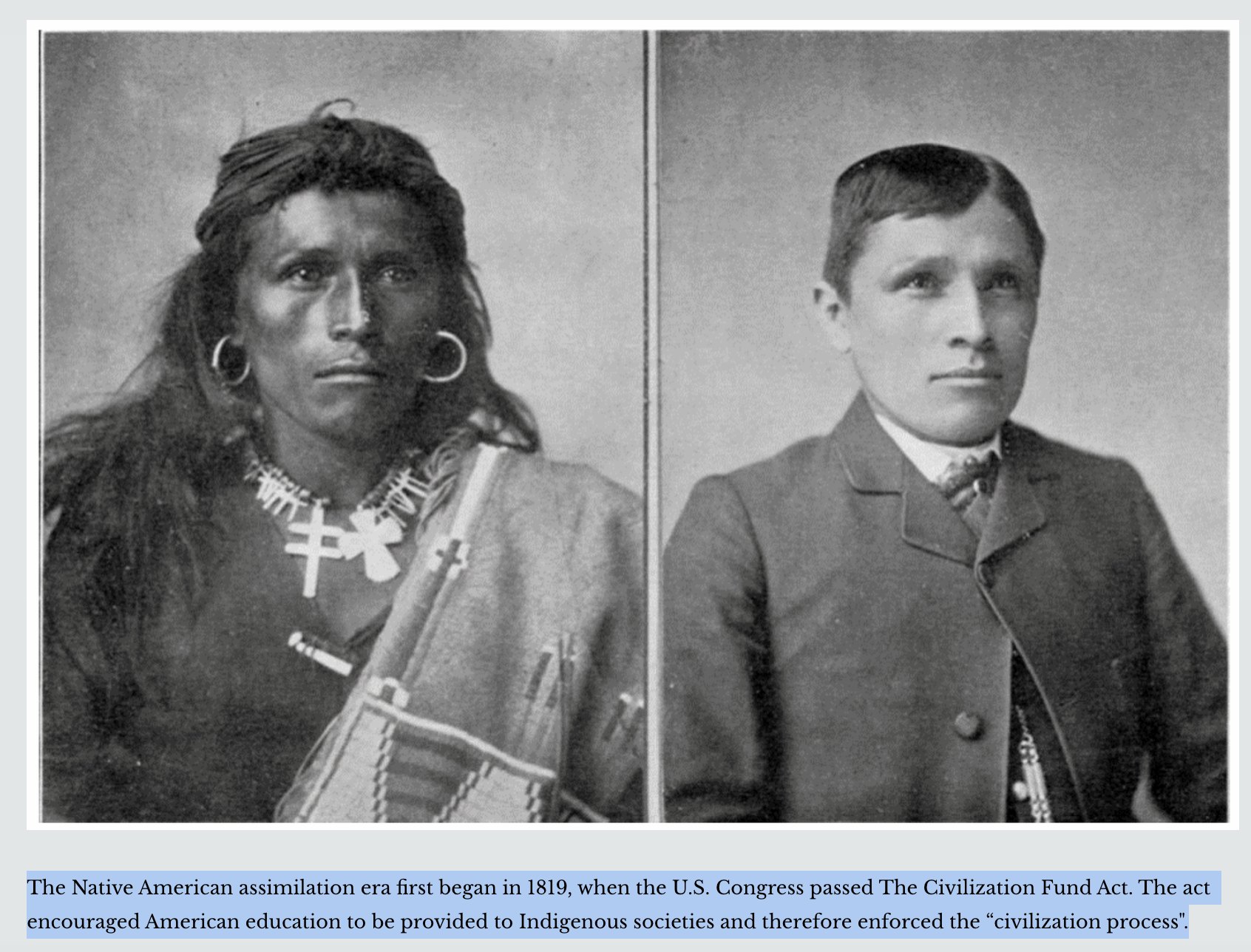
“Early assimilation policies were to steal Native American land,” says Christy Abeyta, Superintendent at the Santa Fe Indian School. “If we can assimilate these Native Americans into the dominant culture then they have no need for reservations, they’re going to migrate into urban areas and there will be no need to maintain tribal lands, because they would have lost their culture, the language, all ties to what they held so sacred…and that was the land.”
The policy of assimilation reached a low point with The Dawes Act of 1887. Reservation land was distributed to individual families from the communal tribe or nation in an attempt to force Indians to farm, and to model the western family land ideal. By 1900 Indians had lost 60 million acres of reservation land. The Dawes Act was one of many official processes put into place to “kill the Indian, save the Man.”
(https://en.wikipedia.org/wiki/Durand_Line)